1. 6. 2023
What if you dread going to work because of one colleague?
Let's dive into the corners of the daily work routine and bring to life the quiet characters who usually lurk in the background of our working days. Enter the figure of a colleague who is an expert in their field, yet whose presence is a thorn in the side of the rest of the team. Their behaviour singes the atmosphere in the workplace, provokes conflicts, criticises others, and they never seem to find satisfaction in anything happening around them. Do you know a colleague like that? That's what this article is about, because when I worked full-time at IBM, I unfortunately had to put up with a few such people.
It's important to realise that these "problem colleagues" are usually not bad people. The truth remains, however, that their behaviour can be triggered by many factors, for example being in an unsuitable work environment or in a position that doesn't come naturally to them. Sometimes they're simply personalities incompatible with the rest of the team, or people whose circumstances never allowed them to fulfil their professional aspirations.
So what to do with this phenomenon? How do you handle these tricky situations, and how do you keep them from becoming unsolvable? In the following article I'll go through twenty-four types of problem colleagues and offer possible strategies for handling complicated situations with them.
1. The easy-going guy: "Dude, no stress."

And I'll start right away with a type you surely wouldn't expect. A friendly colleague can bring conflict into the workplace, mainly by crossing the boundaries between the professional and personal spheres. A friendly colleague may inappropriately lower professional standards, which can lead to conflict with other employees who want to maintain a professional atmosphere. Conflicts can also arise if the friendly colleague pushes others into informal activities outside working hours too often, or disrespects working time by starting inappropriate conversations during the workday.
Conflict situation 1
- Colleague A (Friendly): "Hey, look at this video, it's hilarious!"
- Colleague B: "I'll check it out during the break. Right now I need to finish the project and send an email to the boss."
Conflict assessment: Colleague A wanted to share a video during working hours, which could distract from work. Their intention was probably to improve the atmosphere, but they timed the attempt badly. Colleague B correctly maintained professional boundaries and suggested discussing the video during the break.
Conflict situation 2
- Colleague A (Friendly): "Shall we go for a beer after work? We have to celebrate finally finishing that project!"
- Colleague B: "Thanks for the invite, but I can't today. How about we plan it for Friday instead, so people can prepare and more of us can join?"
Conflict assessment: Colleague A wanted to go for a beer after work to celebrate finishing the project, which could be uncomfortable for some colleagues if they have other plans after work or prefer to keep their professional and personal lives separate. Colleague B responded diplomatically by thanking them for the invitation and suggesting an alternative plan that would probably suit everyone better.
2. The schemer: "The boss said about you that..."

The schemer can be a major source of conflict in the workplace. This type of colleague may spread gossip, stir up conflicts between others or manipulate situations to their own advantage. These acts can lead to conflict and tension among team members, disrupt work and undermine trust.
Conflict situation 1
- Colleague A (Schemer): "I heard Colleague C thinks you're a proper slacker."
- Colleague B: "Thanks for the honesty. If that's the case, I really have no idea what he's basing it on, and I'd rather deal with it openly, directly with him, not through an interpreter. I'll go ask him about it."
Conflict assessment: Colleague A, the schemer, is trying to provoke a conflict between Colleague B and Colleague C to create tension. Their intention is probably to control the situation or gain an advantage. Colleague B correctly chose the direct approach and insists on open communication, which helps prevent manipulation and maintains trust in the team.
Conflict situation 2
- Colleague A (Schemer): "If you help me with that task, I'll make sure the boss rates you better."
- Colleague B: "I appreciate the offer, but I think we should work based on our abilities and results. I don't want to be part of any game."
Conflict assessment: Colleague A is trying to manipulate Colleague B into helping in exchange for a better rating. Their intention is to gain an unfair advantage. Colleague B rightly refuses to be part of this manipulation and insists on equality and fairness in the workplace.
3. The specialist: "That's what happens when you only learn it off the internet."

The specialist can be a source of conflict for their co-workers, mainly due to their deep expertise, which can create an impression of arrogance and unavailability. They often consider their opinions and procedures the only correct ones, which can lead to disagreements and conflicts in the team. The reasons for this behaviour can vary, for example a need for recognition, a desire for control, or a lack of faith in others' ability to do the task to a professional standard.
Conflict situation 1
- Colleague A (Specialist): "I always do it myself, because I'm the only one who does it right."
- Colleague B: "You have a lot of experience, and that's exactly why we should do it together. Teach me part of it, and next time we'll split the work so you don't have so much on your plate."
Conflict assessment: The specialist shows a desire for control and distrust of a colleague's abilities. They apparently wanted to create a feeling of being indispensable and of dependence on their skills. Colleague B, however, stayed calm and offered cooperation, which could make the specialist feel their expertise is recognised, and at the same time it can be an effective way to learn new skills.
Conflict situation 2
- Colleague A (Specialist): "This is completely wrong, you shouldn't be touching this project at all."
- Colleague B: "I'm sorry. Could you please show me where I made the mistake, so the situation doesn't happen again?"
Conflict assessment: In this situation the specialist again uses their expertise as a weapon, this time to devalue Colleague B's work. Their goal is probably to keep control of the project and confirm their importance to the team. Colleague B, however, responds constructively, accepts the possibility of a mistake and asks for help and advice, which can give the specialist a sense of recognition and reduce their need for control.
4. The perfectionist: "Everything must be perfect, otherwise we can't launch."

The perfectionist in the workplace can often be a source of conflict. While their pursuit of perfection can lead to high-quality work, it can also create pressure and stress among other team members. The perfectionist often criticises others' work and may have unrealistic expectations, which can lead to frustration and conflict.
Conflict situation 1
- Colleague A (Perfectionist): "This isn't good. We have to redo it."
- Colleague B: "It's good to have high standards and aim high, but this project meets all the requirements and the deadline is just around the corner. We need to focus on getting the task finished on time."
Conflict assessment: Colleague A, the perfectionist, is dissatisfied with the quality of the work even though it meets all the requirements. Their intention is probably to achieve perfection, but this can cause delays and frustration. Colleague B rightly points out the importance of meeting deadlines and balancing quality with efficiency.
Conflict situation 2
- Colleague A (Perfectionist): "This draft isn't even half of what we could achieve. We need to start from scratch."
- Colleague B: "I appreciate your passion for quality, but a completely new draft could mean a delay. We can discuss how to improve this draft, but going back to square one would sabotage two whole weeks of effort."
Conflict assessment: Colleague A, the perfectionist, wants to throw away the existing draft and start again, which could cause a significant delay. Their goal is to achieve the best possible work, but their approach can be inefficient and stressful. Colleague B rightly suggests finding ways to improve the existing draft instead of scrapping it entirely, maintaining the balance between quality and efficiency.
5. The indispensable one: "Nothing here would work without me!"

The indispensable colleague can be a source of conflict for their co-workers, because their important role and skills can feed a sense of being essential, which can hold back other team members' development and disrupt team dynamics. Such a colleague can also be very demanding and prone to micromanagement, causing stress and tension among team members. This behaviour may stem from worries about their own position, a need for control, or a desire to always be at the centre of things.
Conflict situation 1
- Colleague A (Indispensable): "Everything here would collapse without me, I'm the only one who knows how to do this."
- Colleague B: "It's great that we have you, but even in a football match a one-player team doesn't win. We should split some tasks among the others, to improve our chances of being stronger as a team, develop our skills and train ourselves on new challenges."
Conflict assessment: The indispensable colleague is trying to create a sense of being essential and of dependence on their skills. Their goal is probably to keep control of the team's tasks. Colleague B, however, acknowledges the value of Colleague A's work and offers a sensible solution that would let other team members develop their skills and reduce the team's dependence on a single person.
Conflict situation 2
- Colleague A (Indispensable): "Without me you have no chance of finishing this project on time."
- Colleague B: "I hear you, but I believe that if we work as a team and divide the work, we can finish the project successfully even sooner. How about you show us everything that's needed, and then we'll split the work?"
Conflict assessment: Here the indispensable colleague again creates an atmosphere of dependence on their skills to keep control of the project. Colleague B responds constructively, offering teamwork and asking for guidance, which can give Colleague A a sense of recognition while letting the rest of the team get actively involved.
6. The bureaucrat: "We don't have a process for that."

An inflexible, bureaucratic colleague can be a source of conflict in a team. This type of colleague tends to follow rules and procedures strictly regardless of circumstances, which can stifle the team's creativity and flexibility. Their unwillingness to adapt can lead to frustration and slow down the project's progress.
Conflict situation 1
- Colleague A (Inflexible bureaucrat): "We can't do that, because it violates rule number 4.6.2 in our manual."
- Colleague B: "Following the rules is one thing, but in this particular case a little leeway might be allowed. Can we consult our boss to see whether an exception could be made?"
Conflict assessment: Colleague A, the inflexible bureaucrat, is firmly attached to the rules, even at the expense of efficiency or creativity. Their intention is probably to protect themselves and the team from the possible consequences of breaking the rules. Colleague B rightly suggests consulting a superior to see whether an exception could be granted in this particular case.
Conflict situation 2
- Colleague A (Inflexible bureaucrat): "Before we start the new project, we have to fill in all the necessary forms and get all the necessary approvals."
- Colleague B: "I understand, but I think we can process some of these steps in parallel to speed things up. We should consider more efficient ways to meet the requirements."
Conflict assessment: Colleague A, the inflexible bureaucrat, wants to follow every process strictly, which can lead to unnecessary delays. Their intention is probably to minimise the risk of errors or problems by following all the rules and procedures. Colleague B rightly suggests considering more efficient ways to meet the requirements, to speed up the process and increase the team's efficiency.
7. The keen but incapable colleague

The incapable but keen colleague can be a source of conflict in a team. This type of colleague may have goodwill and enthusiasm for the work, but often lacks the skills or knowledge needed to carry out tasks effectively. This can lead to delays, errors and an increased load on other team members, who have to fix their mistakes or finish their tasks.
Conflict situation 1
- Colleague A (Incapable but keen): "I'm sorry I made a mistake in this task. I really tried, but I guess I didn't understand it."
- Colleague B: "I can see you're trying, and that's great. Let's go through it together and we'll show you how to finish it efficiently. Can you come to the meeting room at 2 pm?"
Conflict assessment: Colleague A, incapable but keen, made a mistake in carrying out the task, but shows openness and a willingness to learn. Their intention is probably to improve and do their job well. Colleague B rightly offers help and mentoring, which could help Colleague A improve their skills and confidence.
Conflict situation 2
- Colleague A (Incapable but keen): "I don't know exactly how to deal with this problem, but I'll do everything in my power to find a solution."
- Colleague B: "I appreciate your enthusiasm, and I have a few great tips for you that will help."
Conflict assessment: Colleague A, incapable but keen, shows willingness to solve the problem even without the necessary skills or experience. Their intention is probably to learn and master a new challenge. Colleague B rightly offers their help and shares their experience, which can give Colleague A valuable information and support.
8. The loyalist: "This is how we've always done it, and it works!"

The loyalist can cause conflicts in a team. This type of colleague is usually very loyal to a particular person, idea or procedure, which can lead to rigidity and unwillingness to accept new ideas or changes. This inflexibility can create tension with other team members, who may feel constrained or ignored.
Conflict situation 1
- Colleague A (Loyalist): "We have to follow the plan we've always used. Why change something that works?"
- Colleague B: "I know old habits die hard, but innovation could help us work more efficiently. How about we at least give it a try?"
Conflict assessment: Colleague A, the loyalist, rejects change and sticks to the old ways. Their intention is probably to maintain stability and predictability. Colleague B rightly points out the value of innovation and suggests trying a new approach, which can help broaden Colleague A's perspective.
Conflict situation 2
- Colleague A (Loyalist): "I've always worked with this tool, so I don't think we should try anything new."
- Colleague B: "I understand you're comfortable with the current tool, but a new one could bring new possibilities and improvements. How about we try it on a smaller project and see how it goes?"
Conflict assessment: Colleague A, the loyalist, is unwilling to adopt a new tool because they're comfortable with the current one. Their intention is probably to preserve their comfort and efficiency. Colleague B rightly proposes a compromise by suggesting they try the new tool on a smaller project, which can help Colleague A open up to new possibilities.
9. The decisive one: "You want efficiency? Then we do it my way!"
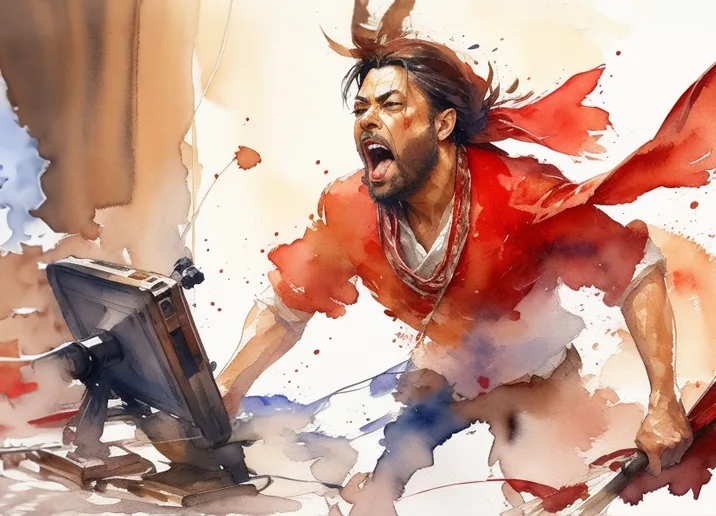
The decisive colleague can be a source of conflict in a team. This type of colleague tends to make decisions quickly and firmly and may seem unwilling to consider the opinions and ideas of others. This unwillingness to listen can create tension with other team members, who may feel overlooked or ignored.
Conflict situation 1
- Colleague A (Decisive): "I've decided we're going this way. It's the best solution!"
- Colleague B: "I respect your decision, but could you explain your decision-making process to us? We might also have some ideas worth considering."
Conflict assessment: Colleague A, the decisive type, decides unilaterally without consulting the rest of the team. Their intention is probably to maintain decisiveness and direction. Colleague B rightly expresses respect for Colleague A's decision, but also asks for an explanation and opens space for other ideas.
Conflict situation 2
- Colleague A (Decisive): "I've already decided we'll proceed like this. There's no time for further discussion."
- Colleague B: "I understand it's important to move fast, but we're a team and we should make room for other people's views. We might see things from different perspectives and find an even better solution."
Conflict assessment: Colleague A, the decisive type, again decides without consultation and refuses further discussion. Their intention is probably to make quick progress and hold the course. Colleague B rightly points out the value of different opinions and offers the possibility of considering alternative approaches.
10. The careless one: "Don't worry about it. It doesn't matter."

The careless colleague can be a source of conflict in a team. This type of colleague often doesn't consider their tasks and responsibilities important and may approach work with negligence or flippancy. This can lead to errors, delays and general distrust within the team. Colleagues can get frustrated by their lack of professionalism and respect for the tasks.
Conflict situation 1
- Colleague A (Careless): "I don't know why we should bother with this task. It's pointless."
- Colleague B: "Maybe that's how you see it now, but this task is an important part of our project and we should give it our attention."
Conflict assessment: Colleague A, the careless type, shows a lack of interest and respect for the task. Their intention is probably to avoid work they consider unimportant. Colleague B rightly stresses the importance of the task and the need to approach work with respect and responsibility.
Conflict situation 2
- Colleague A (Careless): "I finished it quickly, so we can take a break. It has a few bugs, but that's a detail."
- Colleague B: "I get that you want it over with quickly, but details can be key to the quality of our project. We should take the time to check our work."
Conflict assessment: Colleague A, the careless type, ignores details and would like to move quickly to the next task. Their intention is probably to save time and energy, but that risks the quality of the work. Colleague B rightly points out the importance of details and of checking the work to achieve the best possible quality of results.
11. The oversensitive colleague

The oversensitive colleague can be a source of conflict in a team. This type of colleague tends to react strongly to any critical comments or constructive feedback, which can complicate communication and create a tense atmosphere. Such behaviour can also discourage others from sharing their opinions and thoughts, which can disrupt team dynamics and make problem-solving harder.
Conflict situation 1
- Colleague A (Oversensitive): "That was pretty harsh, the way you criticised me in front of everyone at the meeting!"
- Colleague B: "I'm sorry, it wasn't my intention to offend you. I just wanted to give constructive feedback. Can we talk it over in private and find a better way to communicate it?"
Conflict assessment: Colleague A, the oversensitive type, reacts strongly to criticism, which can complicate communication. Their intention is probably to protect their feelings and self-esteem. Colleague B responds with an apology and an offer of further discussion, which respects Colleague A's sensitivity while trying to keep communication constructive.
Conflict situation 2
- Colleague A (Oversensitive): "Why are you giving me such harsh feedback? I'm sure I'm doing everything right!"
- Colleague B: "I'm sorry if it came across as harsh. My intention was to help us improve, not to offend you. Can we go through your ideas and find the best way to implement them?"
Conflict assessment: Colleague A, the oversensitive type, reacts strongly to constructive feedback, which can discourage others from open communication. Their intention is probably to protect their feelings and self-esteem. Colleague B rightly responds with an apology and an offer of further discussion, which keeps communication constructive while respecting Colleague A's sensitivity.
12. The relative on the team

A colleague who is a relative can be a source of conflict in a team, especially if they are favoured or treated differently because of their family ties. This can lead to conflict due to a disruption of equality in the team, a sense of undue advantage or a sense of unprofessionalism. The situation can also suppress open communication and lower team morale if other team members feel they aren't being judged fairly or are at a disadvantage.
Conflict situation 1
- Colleague A (Relative): "I think I should lead this project, because I have the most experience."
- Colleague B: "I respect your experience, but it's also important for everyone to get a chance to show what they can do. Let's lead this project together and learn from each other."
Conflict assessment: Colleague A, the relative, is trying to take over the project, which can lead to conflict over a sense of undue advantage. Their intention is probably to use their position to get preferred roles or tasks. Colleague B rightly suggests leading the project jointly, which maintains equality and cooperation in the team.
Conflict situation 2
- Colleague A (Relative): "I don't think I should do this task, it's too simple for me."
- Colleague B: "I understand how you feel, but it's important that we all contribute according to our abilities. Take this task as an opportunity to support the development of others."
Conflict assessment: Colleague A, the relative, avoids a task they consider beneath them, which can create a sense of unprofessionalism and inequality in the team. Their intention is probably to use their position to dodge less desirable tasks. Colleague B rightly suggests that Colleague A see the task as an opportunity to help and teach others.
13. The bluffer: "No problem, I've done that before too."

The bluffer can be a source of conflict in a team. This type of colleague tends to show off and pretend to have skills or experience they don't have, which can lead to unrealistic expectations and disappointment when they can't deliver on their promises. This can frustrate other team members and create tension and conflict.
Conflict situation 1
- Colleague A (Bluffer): "I'm an expert in Python, I can finish this task very quickly."
- Colleague B: "That's great. Since you're an expert, can you show us how you'd do it? It would be very instructive for all of us."
Conflict assessment: Colleague A, the bluffer, claims skills they may not have. Their intention is probably to impress others with an appearance of competence. Colleague B responds tactically by asking for proof of Colleague A's abilities, giving them a chance to back up their claim without needlessly escalating the situation.
Conflict situation 2
- Colleague A (Bluffer): "I've done so many projects in the past that this should be a piece of cake."
- Colleague B: "Glad to hear it. We're looking forward to your contribution. Can you show us some of those previous projects, so we get a better idea of your approach?"
Conflict assessment: Colleague A, the bluffer, tries to create an impression of competence by boasting about past successes. Their intention is probably to win the respect and trust of the team. Colleague B rightly asks for evidence of these claims by requesting a look at previous projects, which can confirm or refute what Colleague A says.
14. The change resister

The change resister can be a source of conflict in a team. This type of colleague resists any new proposals or changes, which can cause difficulties when trying to innovate or improve working procedures. This behaviour can limit the team's growth and efficiency and create tension between team members who want to move forward and improve.
Conflict situation 1
- Colleague A (Change resister): "I see no reason why we should introduce new software. The old one works perfectly fine."
- Colleague B: "I get that, but the new software could help us work more efficiently. How about we try it for a trial period and then decide?"
Conflict assessment: Colleague A, the change resister, opposes the proposal to introduce new software, which can hold back innovation in the team. Their intention is probably to preserve the status quo and avoid possible complications. Colleague B responds by offering a trial period, which can help overcome Colleague A's resistance to change.
Conflict situation 2
- Colleague A (Change resister): "We shouldn't change the way we handle these tasks. It's worked well so far."
- Colleague B: "I understand change isn't always welcome, but it's also important to look for ways to improve. How about we try the new procedure on one project and see how it goes?"
Conflict assessment: Colleague A, the change resister, opposes the proposal to change working procedures, which can limit the team's growth. Their intention is probably to preserve the status quo and avoid possible problems. Colleague B responds by suggesting they try the new procedure in a limited context, which can help ease Colleague A's fear of change.
15. The chatterbox

The chatterbox colleague can be a source of conflict in a team. This type of colleague tends to talk more than others, often pulling the team away from work and disturbing everyone's concentration. While they can be friendly and sociable, the excessive amount of conversation can lead to frustration and reduce the team's productivity.
Conflict situation 1
- Colleague A (Chatterbox): "So last weekend I went on a trip and I saw this and that… and that reminded me of this funny story…"
- Colleague B: "That sounds like a great weekend, but right now we need to focus on our project. Can we talk about it during the break?"
Conflict assessment: Colleague A, the chatterbox, pulls the team away from work with their non-stop talking. Their intention probably isn't to disturb, but rather to connect socially. Colleague B rightly suggests continuing the conversation later, which respects Colleague A's social needs while keeping the team productive.
Conflict situation 2
- Colleague A (Chatterbox): "…and then she told me she couldn't believe it, and I told her…"
- Colleague B: "It sounds like an interesting story, but I think we all care about finishing this task right now. How about we save it for the lunch break?"
Conflict assessment: Colleague A, the chatterbox, again distracts the team from work with their non-stop talking. Their intention probably isn't to disturb, but to connect socially. Colleague B rightly suggests continuing the conversation later, which respects Colleague A's social needs while keeping the team productive.
16. The negativist: "There's no point in this at all."

The negativist can be a source of conflict in a team. This type of colleague tends to see mainly the negative sides of situations and may express scepticism or cynicism towards new ideas or changes. This attitude can lower team morale, block positive thinking and creativity, and lead to tension and conflict.
Conflict situation 1
- Colleague A (Negativist): "This will never work. It's pointless."
- Colleague B: "I understand your concerns, but what if we looked at it from a different angle? Might there be some way it could work?"
Conflict assessment: Colleague A, the negativist, expresses scepticism about the new idea and devalues it. Their intention is probably to protect the team from potential failure. Colleague B rightly suggests a change of perspective and opens space for a possible solution, which can help broaden Colleague A's view.
Conflict situation 2
- Colleague A (Negativist): "There's no point in attempting this project, we're bound to fail."
- Colleague B: "I hear your take on it, and it's important to weigh the potential risks. But what if we also explored the potential opportunities this project brings?"
Conflict assessment: Colleague A, the negativist, expresses scepticism about the new project and assumes it will fail. Their intention is probably to protect the team from failure. Colleague B rightly shows respect for Colleague A's concerns while suggesting they explore the potential opportunities the project may offer, which can help shift Colleague A's view.
17. The capable and demanding colleague

The capable and demanding colleague can be a source of conflict in a team. This type of colleague has a high level of skill and high expectations, which can put a lot of pressure on other team members. Their demanding expectations can be demotivating for some team members who feel they can't reach those standards, and can lead to tension and conflict in the team.
Conflict situation 1
- Colleague A (Capable and demanding): "I don't understand why you didn't do this better. It's obvious!"
- Colleague B: "I understand you have high standards, but we also need to recognise our individual strengths and limitations. How about you show us how we can improve?"
Conflict assessment: Colleague A, capable and demanding, expresses frustration at a mistake and sets high standards. Their intention is probably to maintain high-quality work. Colleague B rightly points to the need to acknowledge individual abilities and limitations and suggests a constructive solution.
Conflict situation 2
- Colleague A (Capable and demanding): "If we want to reach our goals, we have to work faster and more efficiently. We have to improve our results."
- Colleague B: "Your passion for excellence is great, but we also have to respect our workload. How about we discuss how to increase our efficiency without overloading anyone?"
Conflict assessment: Colleague A, capable and demanding, pushes the team towards faster and more efficient performance. Their intention is probably to achieve high team performance. Colleague B rightly points out the importance of keeping a balance between efficiency and workplace stress caused by overload, and suggests discussing possible solutions.
18. The dreamer: "We need something big!"

The dreamer can be a source of conflict in a team. This type of colleague often thinks about big ideas and vision, but tends to overlook details and practical implementation. This can frustrate colleagues who are responsible for the practical side of things and have to deal with insufficient preparation or unrealistic expectations.
Conflict situation 1
- Colleague A (Dreamer): "We should build an app that changes the world. We'll be the first in our field."
- Colleague B: "Your idea is exciting, but we also have to focus on the practical side. What are the concrete steps we need to take to reach that goal?"
Conflict assessment: Colleague A, the dreamer, has a big vision but offers no concrete plan for making it happen. Their intention is probably to motivate and inspire the team, but it can lead to unrealistic expectations. Colleague B rightly points out the need for a concrete, workable plan to reach those goals.
Conflict situation 2
- Colleague A (Dreamer): "I think we should move to a fully digital platform by the end of this month."
- Colleague B: "Now that's what I call enthusiasm! I'm all for digitalisation, but we have to take our resources and timeframe into account. How about we create a detailed plan with realistic deadlines?"
Conflict assessment: Colleague A, the dreamer, has an ambitious goal but ignores practical constraints such as resources or time. Their intention is probably to push the team towards innovation and rapid progress, but their approach can create unnecessary pressure and stress. Colleague B rightly suggests creating a detailed, realistic plan.
19. The arrogant colleague

The arrogant colleague can be a source of conflict in the workplace because of behaviour that can be perceived as dismissive, superior or unfair. This type of colleague may ignore others' opinions, refuse criticism and come across as conceited. This can lead to conflicts with other employees, who want to be respected and to feel like valued members of the team.
Conflict situation 1
- Colleague A (Arrogant): "Your idea is rubbish. Mine is much better."
- Colleague B: "I respect your opinion, but I think every idea deserves to be heard and considered. How about we both try to find a compromise?"
Conflict assessment: Colleague A, the arrogant type, belittles Colleague B's idea while praising their own. Their intention is probably to cement their position in the team and suppress competition. Colleague B correctly used a levelling strategy, emphasising the value of all ideas and suggesting they look for a compromise.
Conflict situation 2
- Colleague A (Arrogant): "I'm definitely not doing that, it's beneath me."
- Colleague B: "I understand this task may seem simple to you, but each of us matters for the overall result of our effort. How about we share it?"
Conflict assessment: Colleague A avoids certain work they consider beneath them, which can create tension and conflict with Colleague B, who considers every task important. Their intention is probably to maintain a certain status. Colleague B correctly used a cooperative strategy, offered to share the task and stressed the importance of teamwork.
20. The suspicious colleague

The suspicious colleague can be a source of conflict in a team. This type of colleague often questions the motives of others, creating an atmosphere of distrust and tension. Such behaviour can disrupt team cohesion and cooperation and create an environment where others feel on guard or unfairly judged.
Conflict situation 1
- Colleague A (Suspicious): "I think that new strategy of yours is just a pretext to secure a bigger budget."
- Colleague B: "I understand you have concerns, but our new strategy is aimed at improving the team's efficiency and results. If you have any specific concerns, we can discuss them."
Conflict assessment: Colleague A, the suspicious type, questions Colleague B's motives regarding the new strategy and creates an atmosphere of distrust. Their intention is probably to protect their own interests or those of the team. Colleague B rightly reassures Colleague A about the intentions behind the new strategy and offers space for further discussion.
Conflict situation 2
- Colleague A (Suspicious): "Why do you want to take charge of that project? Surely you have some agenda of your own."
- Colleague B: "My interest is for the project to be completed successfully. I think my contribution can be useful. If you have any concerns, we can talk them through and find a solution."
Conflict assessment: Colleague A, the suspicious type, questions Colleague B's motives for taking over the project and creates an atmosphere of distrust. Their intention is probably to protect their own interests or those of the team. Colleague B rightly emphasises the project's goals and offers space to resolve any concerns.
21. The laid-back colleague

The laid-back colleague, although generally seen as pleasant and approachable, can also be a source of conflict in the workplace. It may be due to the lack of effort they put into their work, laziness or negligence towards their duties. This attitude can frustrate other team members, who may feel they have to work harder to make up for their lack of commitment.
Conflict situation 1
- Colleague A (Laid-back): "What's the rush? We can do it tomorrow."
- Colleague B: "I understand you'd rather postpone this work, but we have deadlines to meet. How about we try working on it together and have it done today?"
Conflict assessment: Colleague A, the laid-back type, seems unwilling to finish their work within the given timeframe, which can leave Colleague B feeling frustrated or overloaded. Their intention is probably to keep the atmosphere relaxed, but they're not meeting their work commitments. Colleague B rightly pointed out the importance of deadlines and offered to work together to finish the job.
Conflict situation 2
- Colleague A (Laid-back): "Hey, I made a mistake in that report, but it's fine, right?"
- Colleague B: "I get that you think it's fine, but our work affects others and mistakes can have negative consequences. How about we look at the report again and fix it?"
Conflict assessment: Colleague A, the laid-back type, admitted making a mistake but doesn't seem too concerned. Their intention is probably to keep a carefree atmosphere, but that can jeopardise the quality of the work. Colleague B rightly pointed out the importance of doing the job properly and offered to help fix the mistake.
22. The impulsive colleague

The impulsive colleague can be a source of conflict in the workplace. This type of colleague may react quickly and without thinking, often regardless of the consequences of their words or actions. Such behaviour can lead to misunderstandings, rapid changes of decision or unpredictable behaviour, which can create tension between colleagues.
Conflict situation 1
- Colleague A (Impulsive): "I disagree with this plan and I think we should change direction immediately!"
- Colleague B: "I understand you have a strong urge to change this plan. But how about we sit down, discuss your concerns and then decide how to proceed?"
Conflict assessment: Colleague A, the impulsive type, quickly and thoughtlessly voices disagreement with the plan. Their intention is probably to change the direction of the work without weighing the consequences. Colleague B rightly offered a constructive dialogue and a slower pace to avoid impulsive decision-making.
Conflict situation 2
- Colleague A (Impulsive): "I'm sorry, but I'm so angry at that supplier that I think we should terminate the contract with them immediately!"
- Colleague B: "I can see you're frustrated. But how about we hear their side of the story first and then decide how to proceed?"
Conflict assessment: Colleague A, the impulsive type, reacts quickly and emotionally to the situation with the supplier. Their intention is probably to end the relationship with the supplier without further investigation. Colleague B rightly suggests examining the situation thoroughly first and only then making a decision, which helps prevent impulsive and potentially damaging decision-making.
23. The scatterbrain: "What, that's today?"

The scatterbrain can be a source of conflict in a team. This type of colleague tends to be disorganised and forget important tasks or deadlines, which can lead to errors and delays in the work. This behaviour can create tension among team members, who may be frustrated by the colleague's lack of efficiency and reliability.
Conflict situation 1
- Colleague A (Scatterbrain): "I'm sorry, I forgot about that meeting. Could we reschedule it?"
- Colleague B: "I understand, it happens to everyone. But could we consider some system or app for managing tasks and meetings? It could help all of us stay on top of things."
Conflict assessment: Colleague A, the scatterbrain, forgot an important meeting, which can cause delays or frustration in the team. They probably didn't intend to cause problems, but their disorganisation led to a mistake. Colleague B rightly suggests a solution that could improve organisation and prevent future problems.
Conflict situation 2
- Colleague A (Scatterbrain): "I'm sorry, I've lost that document again. We'll have to create it from scratch."
- Colleague B: "That's unfortunate. We should set up a system for storing and managing documents online. That way we'd avoid situations like this in the future."
Conflict assessment: Colleague A, the scatterbrain, lost an important document, which can cause delays and extra work. They probably didn't intend to cause problems, but their disorganisation led to a mistake. Colleague B rightly suggests a solution that could improve organisation and prevent future problems.
24. The shy colleague

The shy colleague can be a source of conflict in the workplace, because their behaviour can be perceived as uncommunicative or unwilling to cooperate. This type of colleague may struggle to voice their opinions openly or join discussions, which can lead to misunderstandings or missing information. Co-workers may feel frustrated by the lack of feedback, or feel they have to do extra work when the shy colleague doesn't get involved.
Conflict situation 1
- Colleague A (Shy): "I don't have an opinion on that."
- Colleague B: "I understand you probably don't want to talk about it publicly. We can discuss it later, just the two of us."
Conflict assessment: Colleague A, the shy type, avoids expressing their opinion, which can leave Colleague B feeling communication or cooperation is lacking. Their goal isn't to provoke conflict, but rather to avoid discomfort. Colleague B rightly offered an alternative where they can talk the issue over in a smaller, less intimidating setting.
Conflict situation 2
- Colleague A (Shy): "Fine, I'll do it myself."
- Colleague B: "I understand you might want to do it yourself, but we're a team and I'd like to work on it with you."
Conflict assessment: Colleague A may feel too timid to ask for help and may try to manage everything alone, which can lead to overload and possible burnout. Their intention is probably to avoid confrontation or discomfort. Colleague B rightly offered help and stressed the importance of teamwork, which can help Colleague A feel more involved and supported.