6. 1. 2025
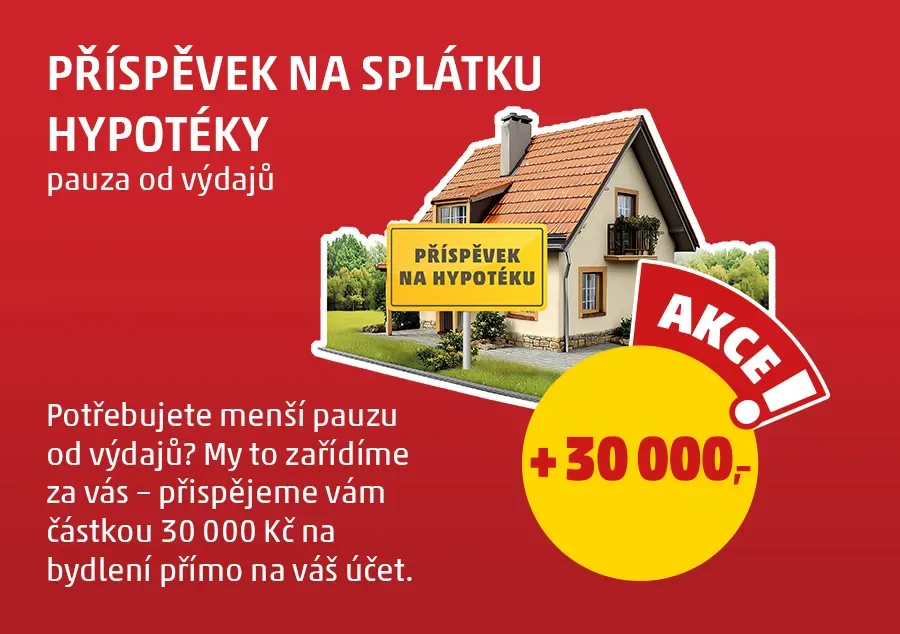
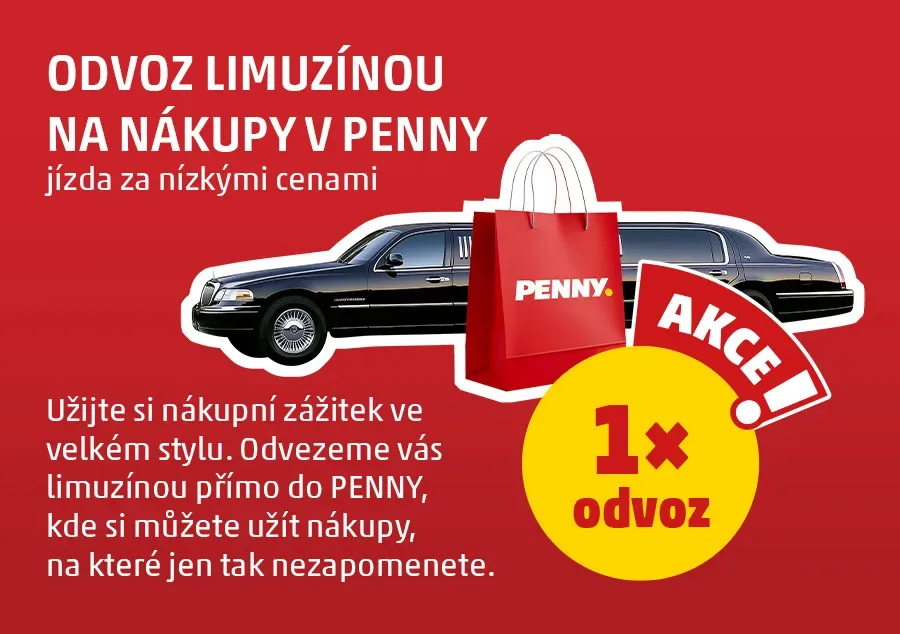
In an article on the penize.cz portal, Breast surgery, a limousine ride for toilet paper. Penny has launched an unusual competition, I commented on the current campaign by the Penny Market supermarket chain, which is trying to attract attention with a provocative approach and controversial prizes. Although the campaign's goal is apparently inspired by modern trends, its execution raises eyebrows rather than admiration, and opens questions about the appropriateness and effectiveness of such communication.
The current Penny Market campaign departs from their more conservative style, such as the "Kroužkujeme" campaign, and attempts a provocative format inspired by more modern trends of the kind we've seen from Lidl. Unfortunately, it seems this approach didn't work out for Penny.
Silicone breasts as a prize at Penny Market
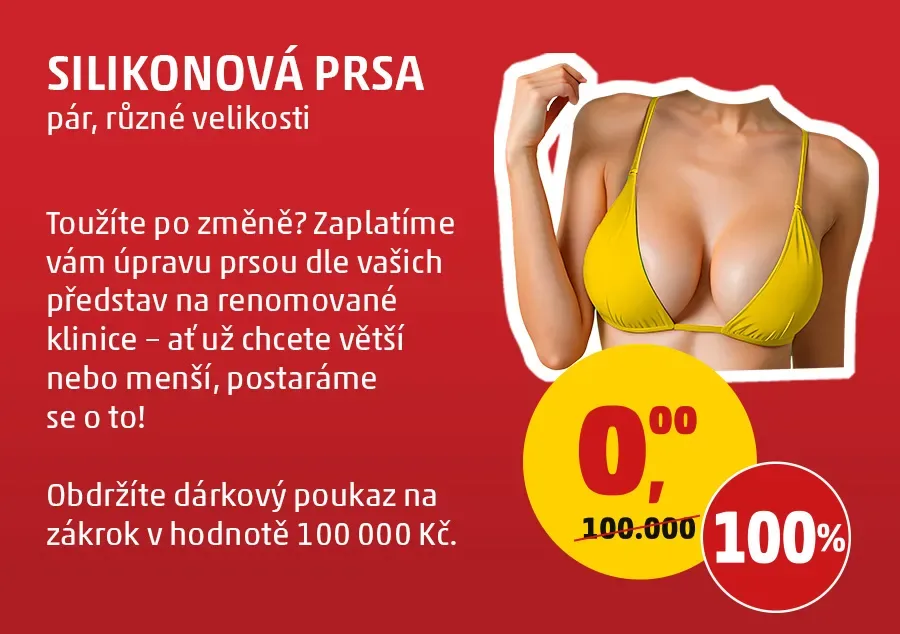
Silicone breasts as the "main prize" come across as a bizarre, half-baked attempt to shock rather than a clever viral move. The result slides into tasteless sexism and unpolished communication that provokes embarrassment instead of interest.
Not only are some of the prizes controversial, their presentation is often misleading. For example, the 100,000 Kč contribution towards breast implants can actually be used for any aesthetic procedure, but this is not clearly communicated.
The "1 minute of shopping" has hidden conditions!
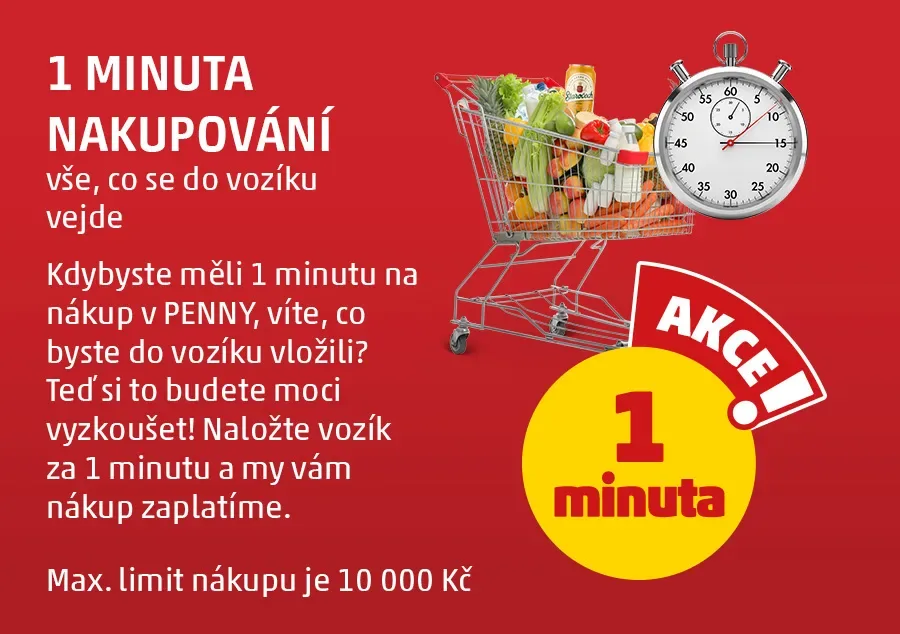
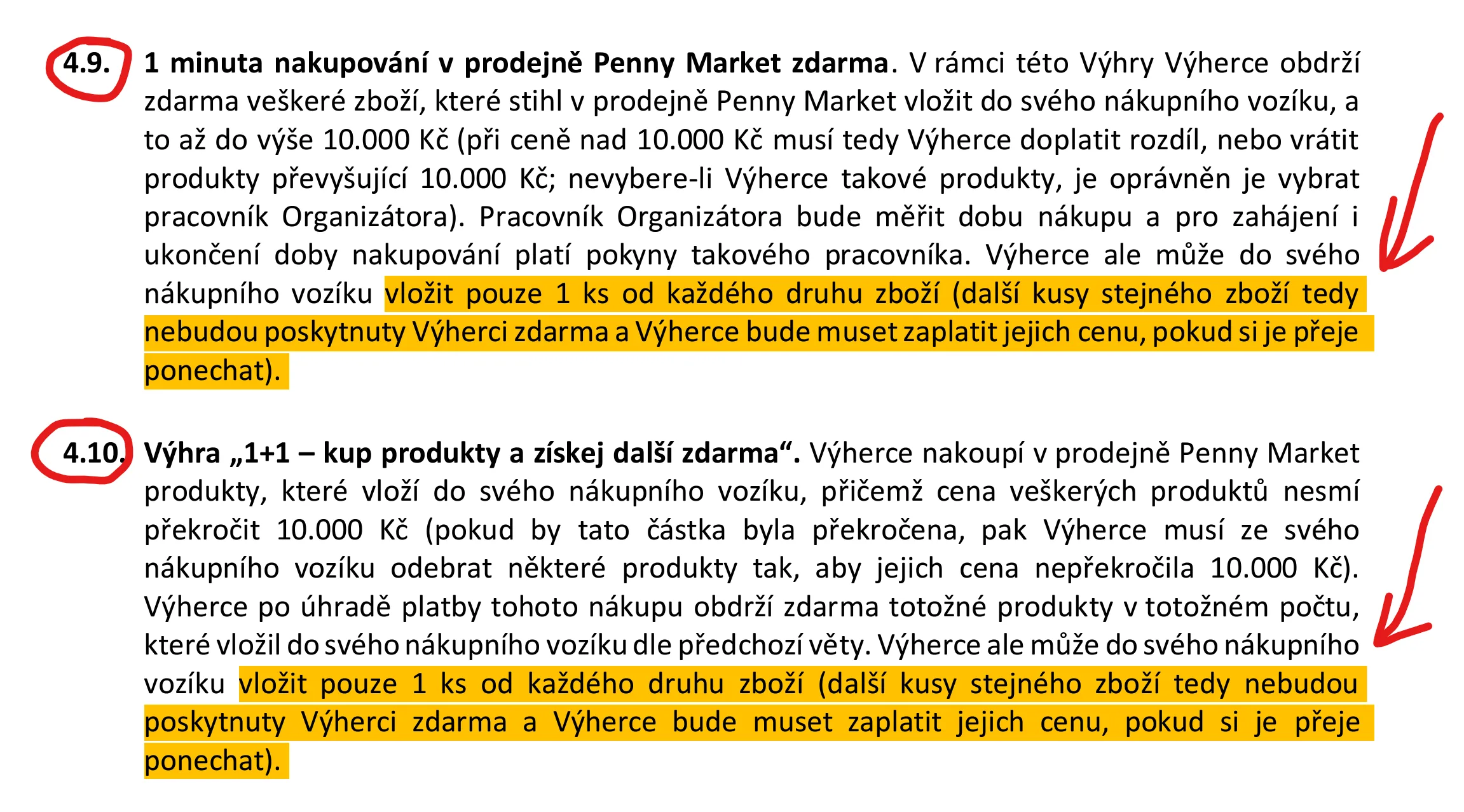
Similarly, the "1 minute of shopping" prize, which promises everything the winner manages to load into their trolley, is limited in the rules to one piece of each type of goods. But you won't see that on the visuals.
The conditions are only visible if you click through to the full competition rules, which in my view is misleading.
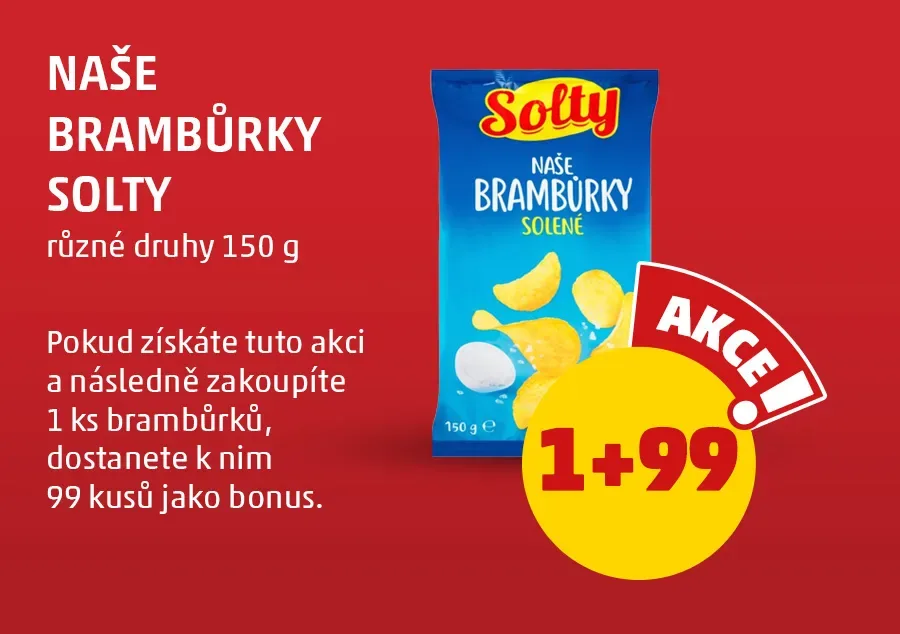
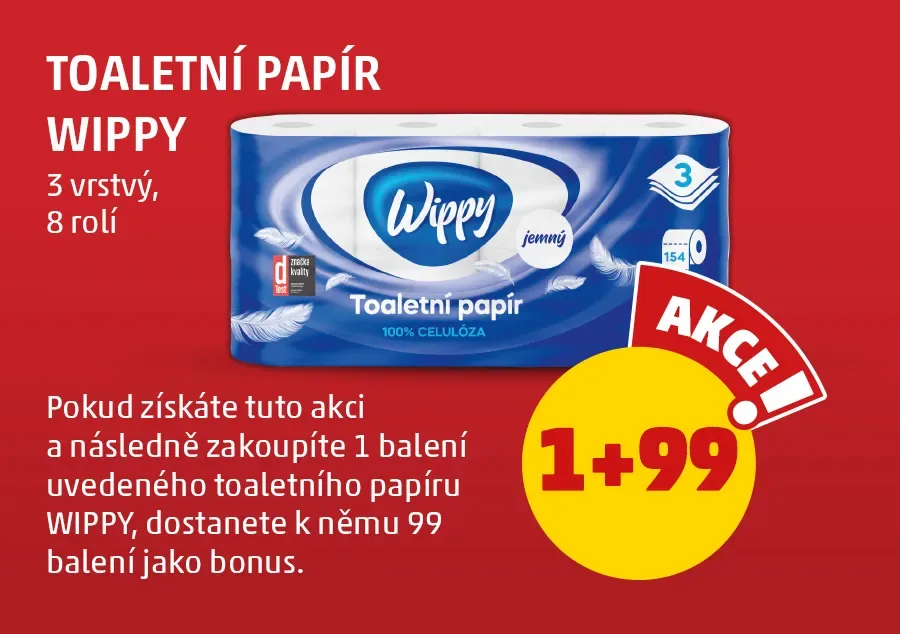
The practical side of some prizes is also striking, such as 99 pieces of a product: if you win the wine, the winner has to carry away over 120 kilograms of goods. For older people or those living alone, such a prize can be practically unusable.

Overall, the campaign feels like a clumsy attempt at provocation that needlessly complicates the winners' lives and fails to use the potential of controversy effectively. From my point of view it's a wasted opportunity to create genuinely interesting, viral content.
What could Penny Market improve next time?
Clear and transparent communication of the competition rules:
- Avoid misleading visuals and make sure all restrictions (e.g. one piece of each type of goods during the shopping minute) are clearly stated and understandable.
- Explain precisely how prizes can be used, such as the contribution towards an aesthetic procedure, so that no confusion or controversy arises.
A better choice of prizes:
- Choose prizes that are more universally usable and won't come across as tasteless or controversial (e.g. silicone breasts).
- Prefer prizes that match the brand's values and target a broader audience (e.g. shopping vouchers, experiences or products customers actually want).
Practicality of the prizes:
- Design prizes so they're easy to use for everyone, including older people or those unable to transport heavy goods (e.g. instead of 99 bottles of wine, offer a voucher for a selection of products of equivalent value, or offer gradual collection).
Tuning the tone and concept of the campaign:
- Use humour or provocation cleverly and tastefully, so the campaign feels entertaining rather than bizarre or inappropriate.
- Test the concept with the target group to make sure it lands positively.
Using the potential of controversy for meaningful content:
- If the goal is to spark discussion or shock, tie the campaign to a valuable message or topic that resonates with the target group and can build the brand (e.g. supporting a healthy lifestyle, sustainability or local producers).
Inspiration from competitors' successful campaigns:
- Look at campaigns that worked for other chains and adapt their concept to your own values and target group.
- Invest in quality storytelling instead of relying on controversy.
Customer feedback:
- After the campaign ends, analyse customer feedback, identify what worked and what triggered negative reactions, and use that data to plan future activities.
Considering the diversity of the target group:
- Avoid sexist or polarising topics that may put off part of the customer base.
- Focus on prizes with a positive emotional charge that appeal to different demographic groups.